
For decades, filmmaking has celebrated human creativity and talent. Yet by 2025, a new reality is unfolding on soundstages around the world. Emerging technologies like body and motion scanning, paired with AI-driven digital doubles, are transforming production methods—and raising an unsettling question: what happens when machines start doing the jobs humans once did?
The Rise of Body and Motion Scanning
In today’s high-budget productions, it’s becoming routine to surround actors with hundreds of cameras that capture every detail of their face, body, and movement in ultra-high resolution. The resulting 3D scan can be turned into a digital clone—capable of performing scenes the actor never physically filmed.

Originally, this was meant to enhance safety during stunts and streamline post-production. But many within the industry now fear these same systems could render background actors, stunt doubles, or even lead performers obsolete. Once a digital copy exists, the need for a physical presence on set can become negotiable.
AI Moves Behind the Camera
Artificial intelligence no longer just refines CGI—it can now generate entire sequences using existing data and movement libraries. Some studios are already experimenting with “virtual actors” that mimic human gestures and expressions with unsettling accuracy, requiring no live performer at all.
- That progress introduces thorny ethical and legal questions:
- Who owns a performer’s digital face and body?
- Can an actor’s likeness be reused after they’ve left a project—or even after their death?
- And who collects residuals when an AI recreation takes the spotlight?
These debates are intensifying not just in Hollywood but across Europe’s major production hubs—from London’s Pinewood Studios to Prague and Hungary’s Korda Studios near Budapest.
Crew Concerns: Fewer People on Set
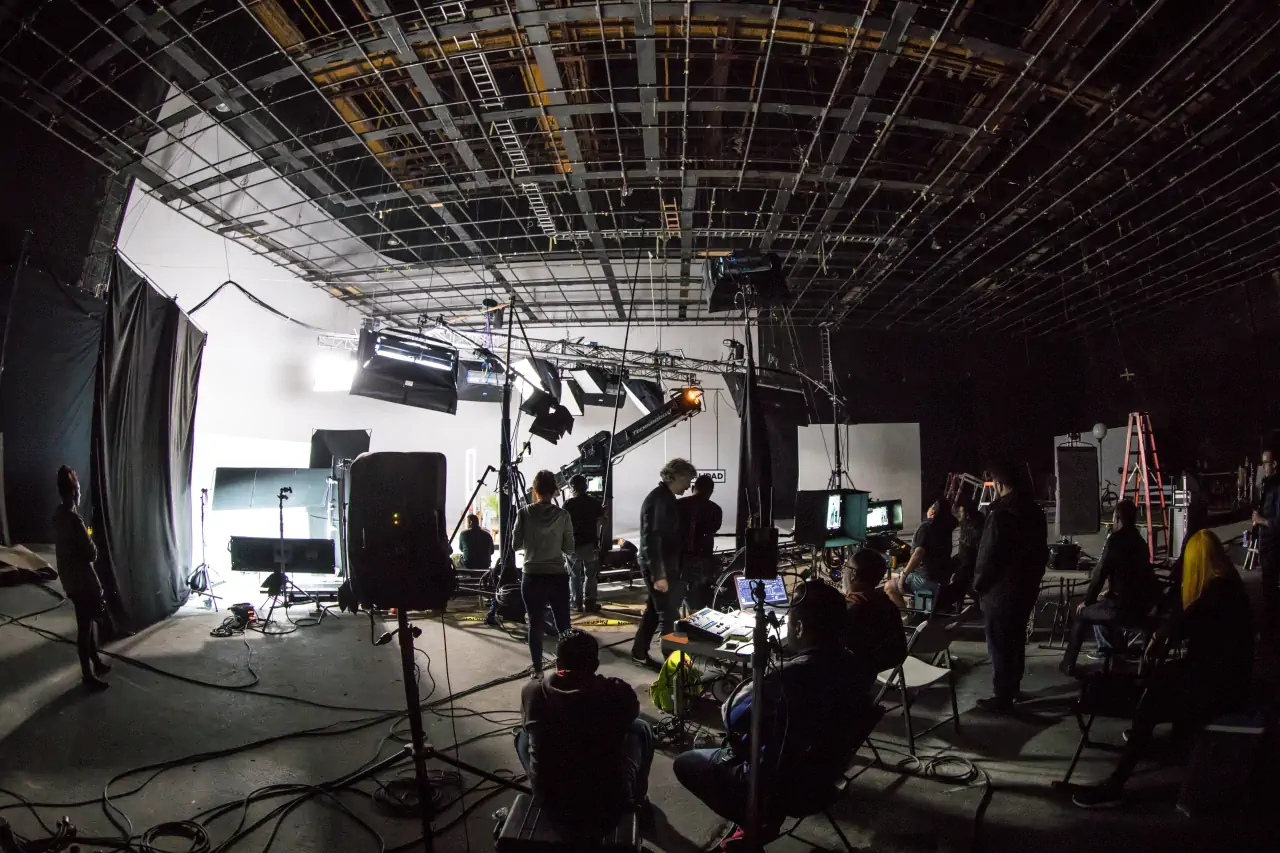
The effects extend far beyond acting roles. Lighting technicians, make-up artists, sound engineers, and camera assistants are all feeling the ripple. Virtual production environments like those used in The Mandalorian require fewer physical sets, fewer shooting days, and fewer on-site crew members.
Don’t Miss the Latest Behind-the-Scenes Movie Secrets!
As a result, traditional positions such as grips, gaffers, and camera operators are appearing less frequently on call sheets. Meanwhile, new hybrid roles—“virtual production technician” or “motion data specialist”—demand entirely different skills, from software operation to digital asset management. The industry’s labor balance is quietly shifting from physical craft to technical literacy.
Collaboration or Replacement?
Experts suggest the real issue isn’t human versus machine, but rather how the two will coexist. Motion capture, AI, and body scanning can be extraordinary creative tools when used responsibly. The danger arises when budget efficiency outweighs human artistry.
Major guilds and unions like SAG-AFTRA and IATSE are already drafting new agreements to regulate the use of digital doubles and AI-generated likenesses—focusing on consent, royalties, and long-term image rights. Their goal is simple: protect human identity in a digital era that increasingly blurs the line between real and synthetic performance.
Who Will Hold the Camera in the Future—Human or Machine?
Technological progress in cinema is unstoppable, but without human imagination, it’s just code and computation. Body and motion scanning aren’t inherently threats—they’re tools that, when handled ethically, can elevate storytelling to new heights. The challenge for the modern film industry is to ensure that as machines evolve, the human touch remains irreplaceable.
Source: The Guradian


